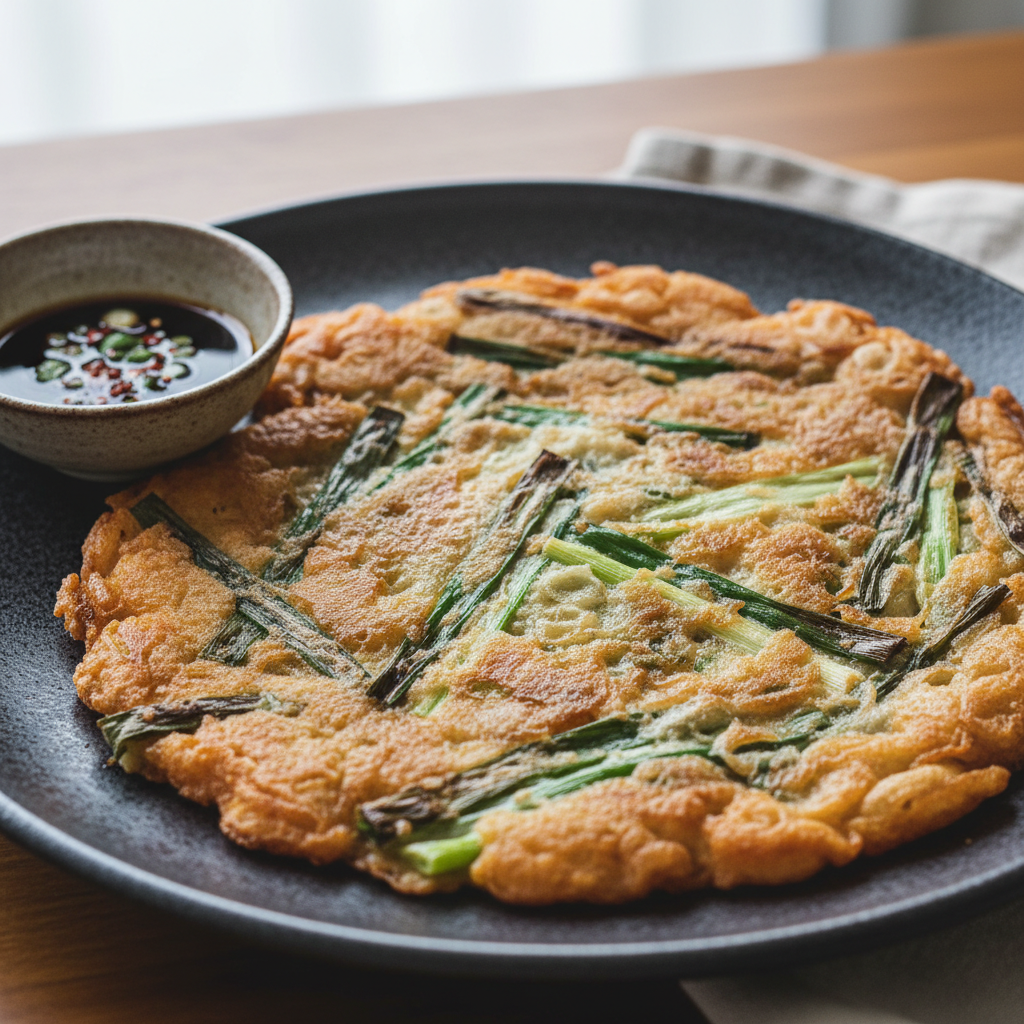
Hands breaking apart a piece of pajeon over a low wooden table crowded with banchan dishes, steam rising from a stone pot of sundubu in the background, natural window light from upper left

Slow food, served the way it was taught to us.

Jeonju tradition · Seoul, 2017

The Origin

A daughter and her mother who disagreed about gochugaru.

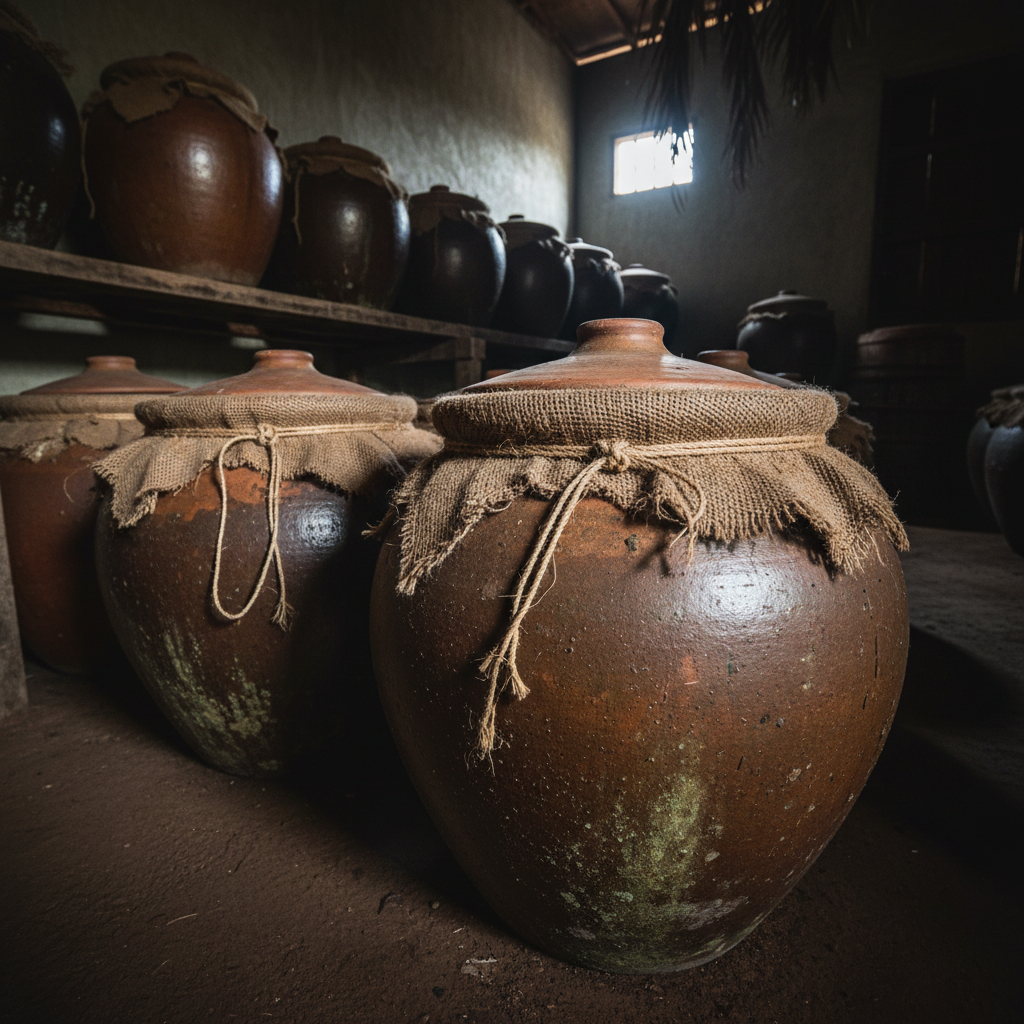
Minji Yoon grew up watching her mother, Bok-soon, press doenjang into earthenware crocks every autumn in their courtyard in Jeonju. They argued constantly about the right amount of gochugaru — Bok-soon measured by feel, Minji by the quarter-teaspoon. Neither gave ground.

They opened Banchan in 2017 to settle it. The restaurant became the argument made physical: Bok-soon's instinct in the fermentation crock, Minji's precision in the plating. Every Tuesday, the kimchi jjigae pot reaches the depth both of them agree is exactly right.

"The recipe hasn't changed. Only our understanding of it has."
— Bok-soon Yoon, Head of Fermentation
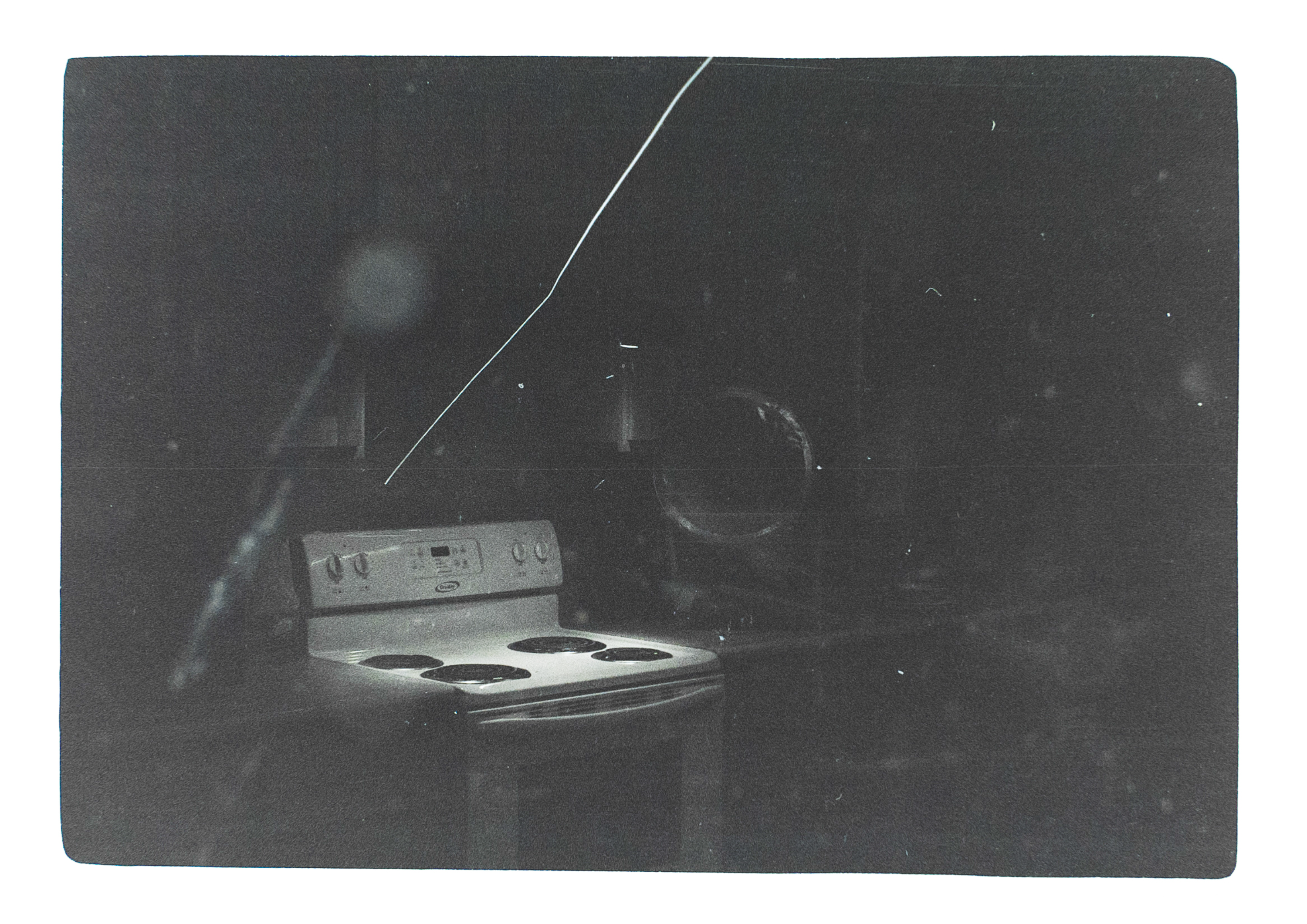
Black and white photograph of a traditional Korean kitchen with earthenware crocks and wooden shelves, the family's original kitchen in Jeonju

Bok-soon's kitchen, Jeonju — 1994
The Hands
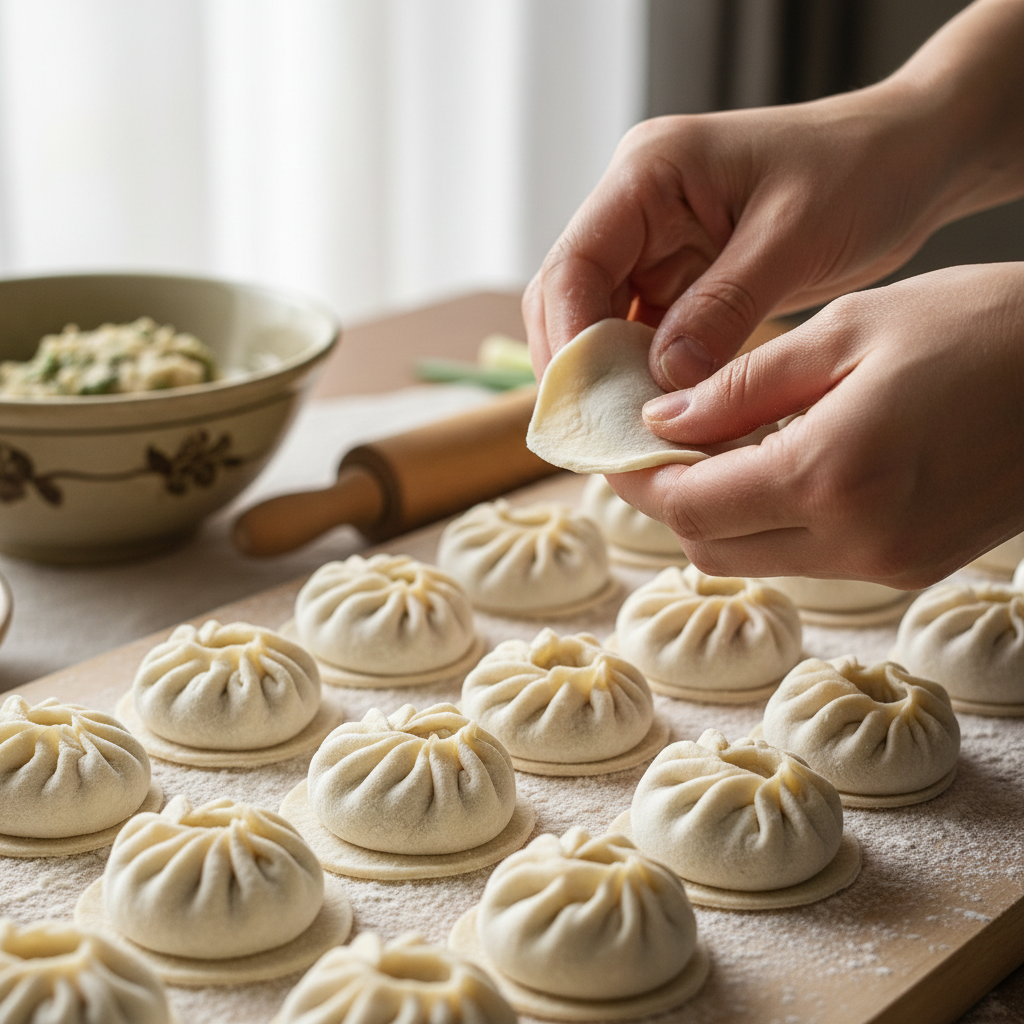
Close-up of hands folding mandu dumplings on a floured wooden surface, the pleating technique showing generations of practice
Mandu folded by hand · every service

The filling recipe hasn't changed since 1991.

Bok-soon's mandu filling is tofu pressed overnight until it barely holds together, minced pork from the same Mapo-gu butcher she found when she moved to Seoul, and a proportion of garlic that she will not write down. The pleating is a three-fold press she learned from her own mother. Minji learned it watching.

They make forty portions each morning. When they're gone, they're gone. The kitchen doesn't scale what it can't do with care.

  • TofuPressed 12 hours, hand-drained
  • PorkCoarse-minced, never ground
  • GarlicProportion undisclosed
  • PleatingThree-fold, by hand only
Order Banchan Home

The pantry, available for local delivery.

Same fermentation crocks. Same hands. Delivered to your door within the neighborhood on Wednesdays and Saturdays.

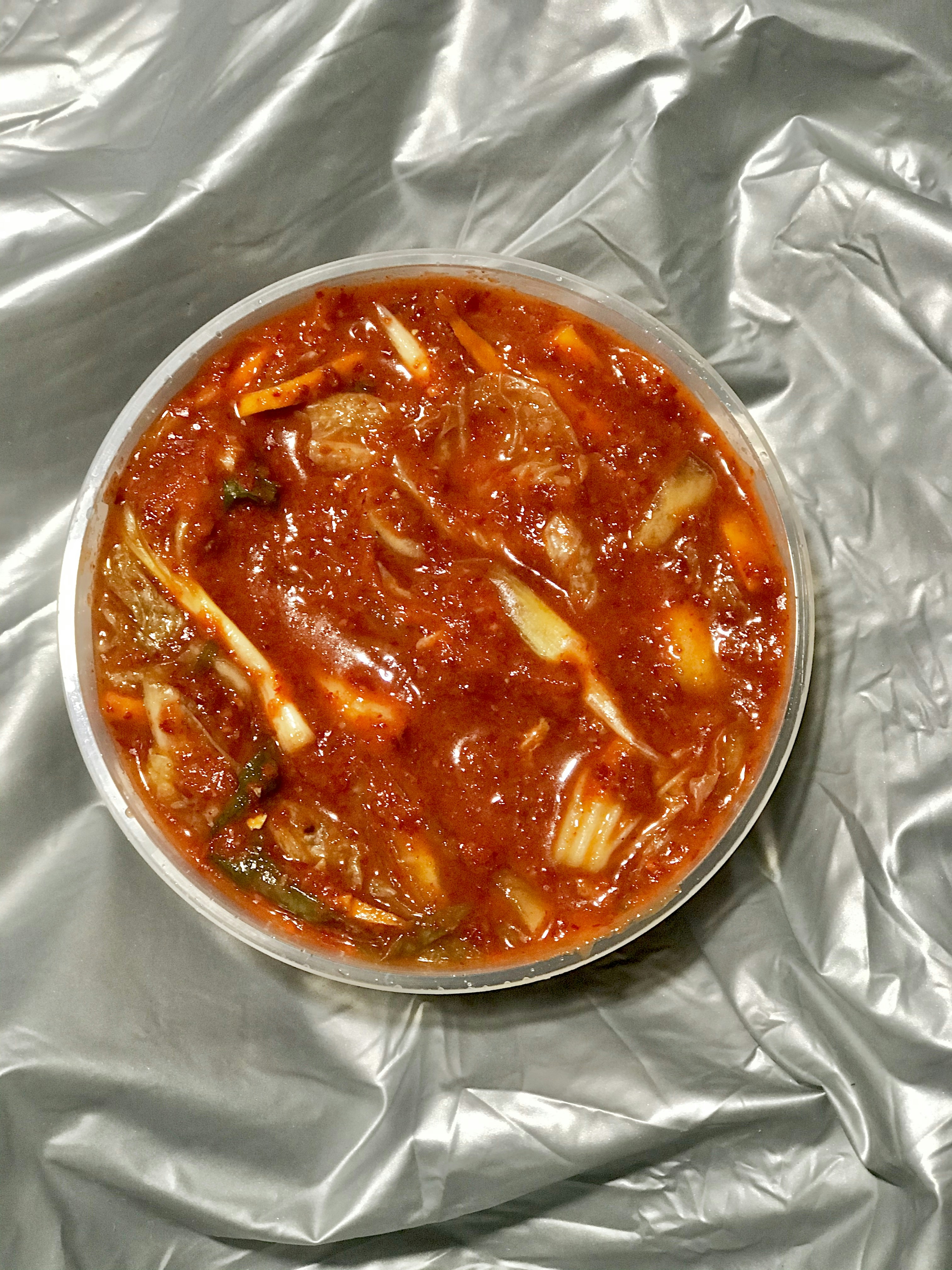
A glass jar of deep red baechu kimchi with napa cabbage visible through the glass
Best Seller

Baechu Kimchi

배추김치

$18

500g jar

Napa cabbage fermented with house gochugaru paste, salted shrimp, and garlic. Packed at peak sourness on day 14.

A ceramic crock of dark brown doenjang fermented soybean paste on a wooden surface
Limited

House Doenjang

된장

$22

300g jar

Fermented soybean paste aged in earthenware crocks for a minimum of 18 months. Earthy, complex, nothing like the factory version.

A small ceramic jar of deep red gochujang paste with a wooden spoon resting beside it

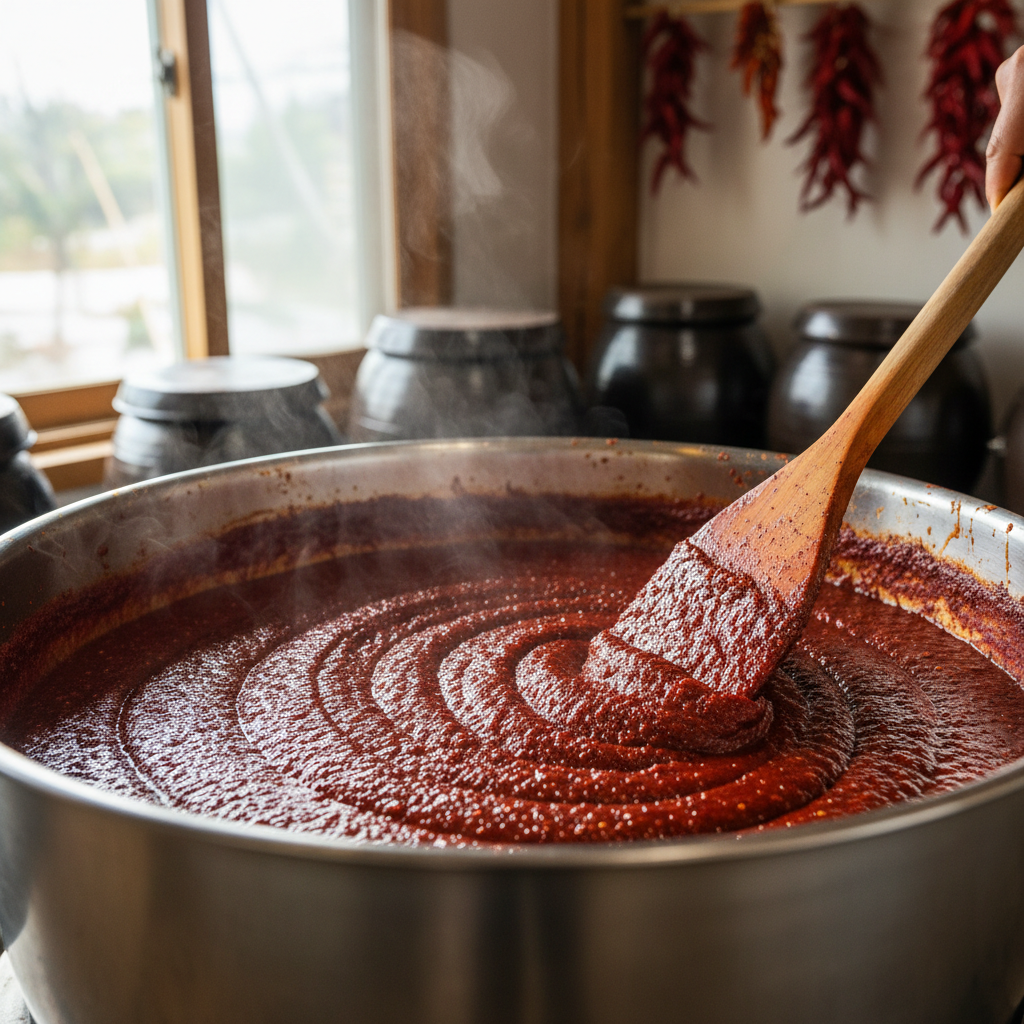
Bok-soon's Gochujang

고추장

$20

250g jar

The recipe that started the argument. Fermented red chili paste with glutinous rice and barley malt. Measured by feel, not teaspoon.

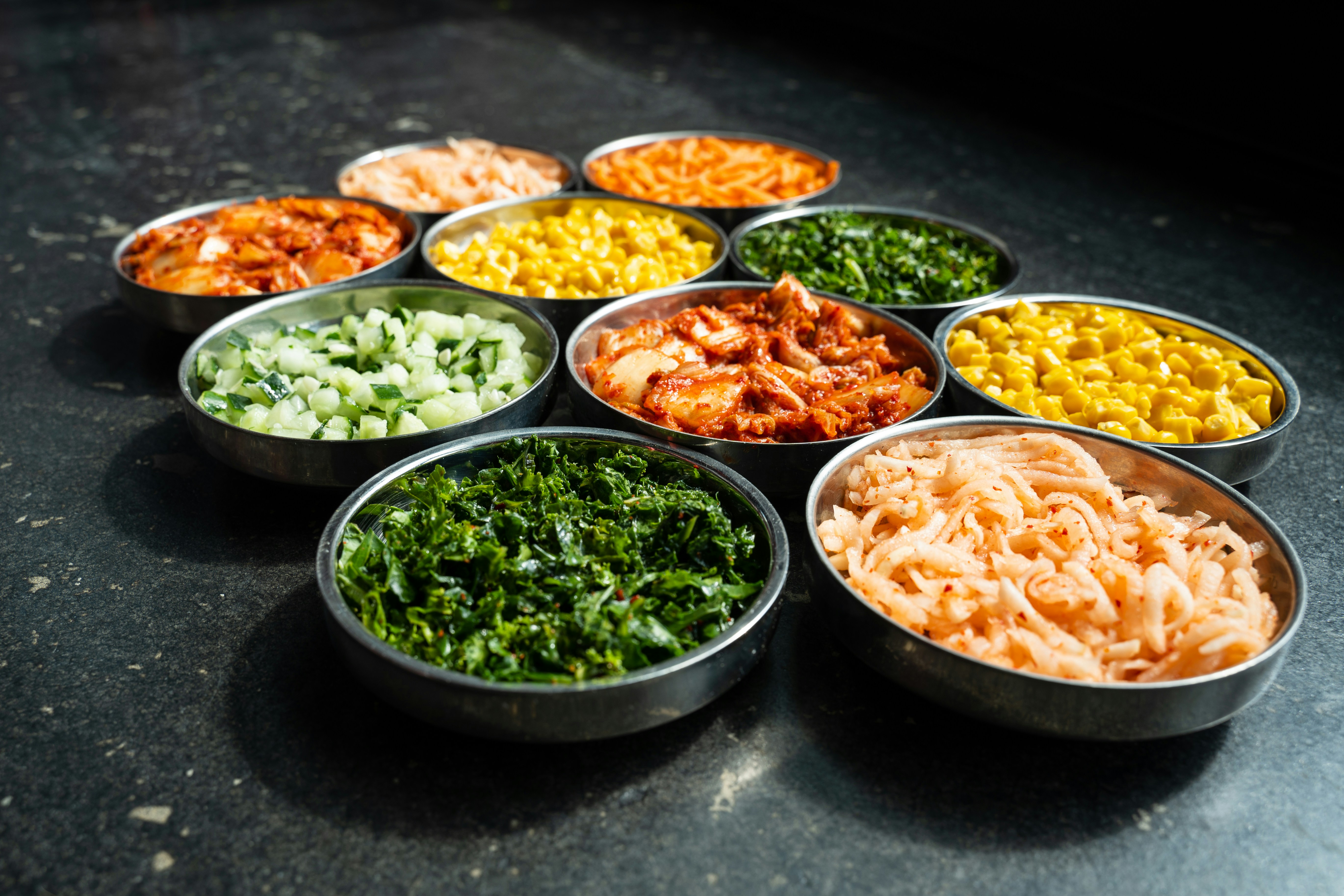
An assortment of colorful Korean banchan side dishes in small mismatched ceramic bowls arranged on a wooden table
This Month

Seasonal Banchan Box

반찬 박스

$46

Serves 2–4

Six rotating side dishes. This month: kongnamul, japchae, gamja jorim, hobak bokkeum, sigeumchi namul, and kkakdugi.